1
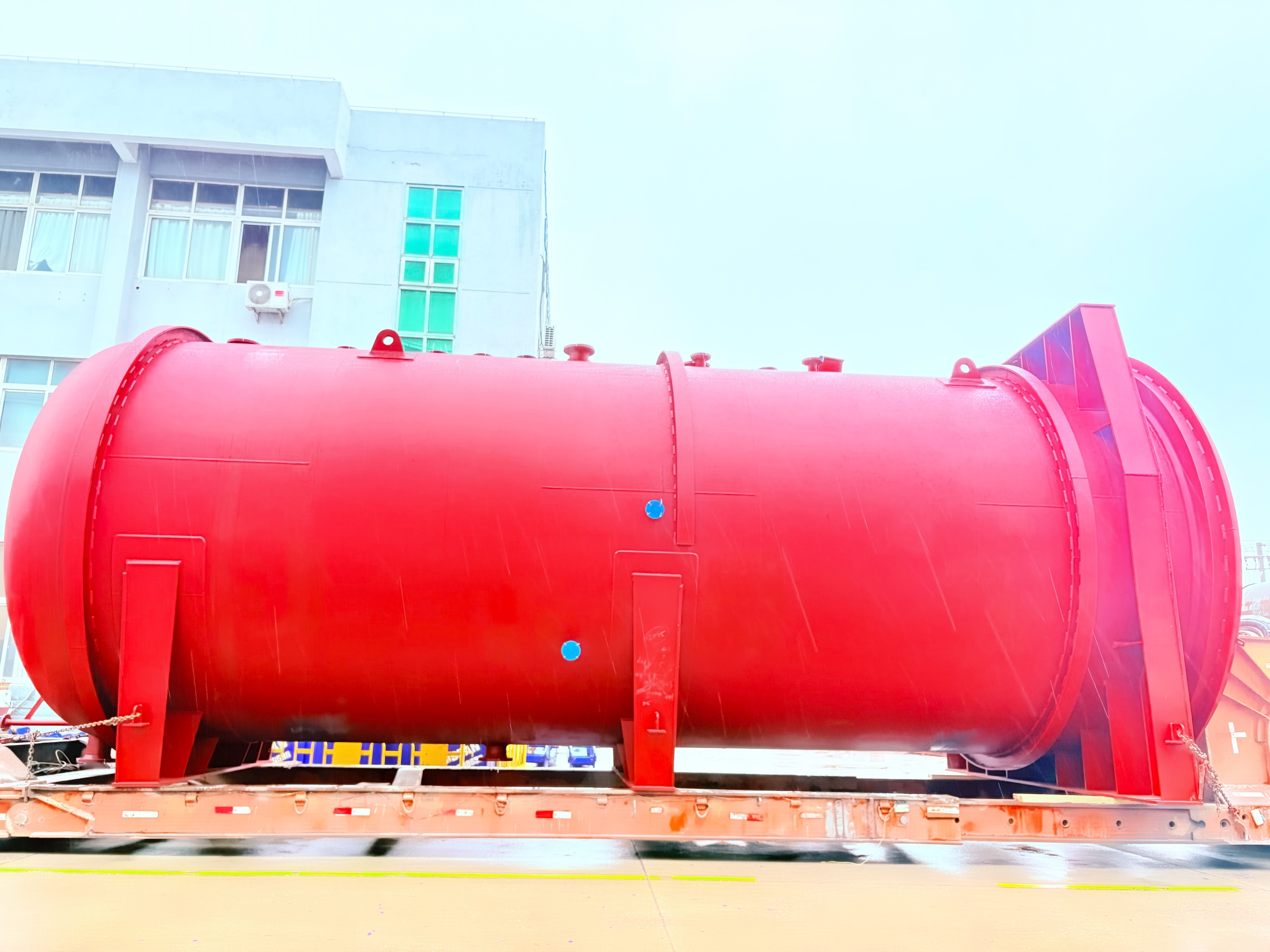
Q: What products is the OLYMSPAN autoclave mainly suitable for?
A: Mainly used for high-temperature and high-pressure steam curing of building materials such as aerated concrete blocks and aerated concrete slabs (CAB/ALC), it can also be adapted to matching molds, steam curing vehicles, and track systems inside the kettle according to process requirements.
2
Q: What are the common specifications? Does it support customization?
A: Common specifications are distinguished by "diameter x length" (such as different length configurations such as Φ 2.0m, Φ 2.5m, Φ 2.85m, Φ 3.2m, etc.), and can be customized according to production capacity, factory layout, door opening method (upper/side opening), track form, and automation level.
3
Q: What are the typical working pressures and temperatures for AAC Autoclave?
A: Usually designed according to the steam curing system of aerated concrete, the common working pressure is about 1.0-1.5MPa and the temperature is about 180-205 ℃; The final determination is based on the process formula and product strength grade, and the specified values are clearly stated on the nameplate and design documents.
4
Q: What are the safety protection configurations of the autoclave?
A: Generally equipped with kettle door safety interlock, pressure/temperature detection instruments, overpressure protection, venting and discharge, safety valves, etc; The interlocking logic ensures that the door cannot be opened when the kettle is under pressure, ensuring operational safety (specific configuration subject to the scope of supply).
5
Q: What factors affect the steam consumption of the autoclave? How to save more energy?
A: Mainly affected by loading capacity, heating time, insulation effect, condensate discharge, kettle leakage rate, and exhaust steam recovery strategy. Energy conservation can be achieved by strengthening the insulation of the kettle body, optimizing the steam curing system, reducing the frequency of door opening, maintaining proper sealing, and properly discharging steam/recovering waste heat.
6
Q: How long is the equipment installation and production cycle? What supporting conditions are needed?
A: The cycle depends on specifications, quantity, foundation and pipeline construction progress, and site conditions. Usually, it is necessary to complete equipment foundation, track/kettle car docking, steam/condensate/sewage pipeline, electrical and instrument wiring, safety valve calibration, etc; Manufacturers generally provide installation guidance, linkage debugging, and operation training.
7
Q: What are the key points of daily maintenance? What are the vulnerable parts?
A: Focus on inspecting the sealing components of the kettle door, the welding seams and flange connections of the kettle body, the safety interlock mechanism, the instruments and safety valves, the drain valves, and the matching parts between the track and the kettle car; Common vulnerable parts include sealing rings/gaskets, valve packing, instrument components, etc., which need to be replaced regularly according to the operating time and working conditions.